Endangered
Giant Atlantic tree-rat
Phyllomys thomasi
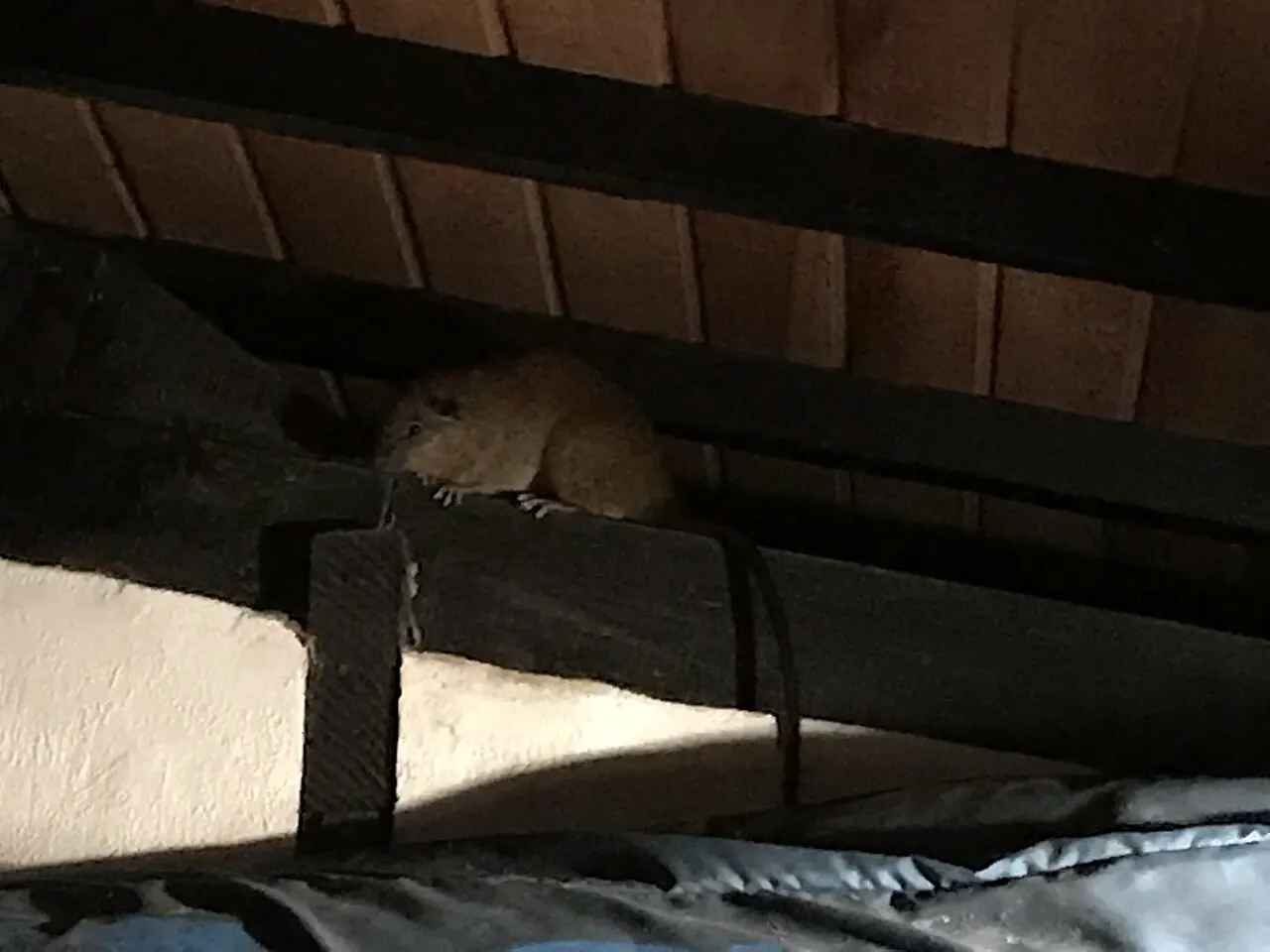
The giant Atlantic tree-rat (Phyllomys thomasi) is a large, spiny, tree-living rodent found only on São Sebastião Island, off the coast of São Paulo State, Brazil. The IUCN Red List rated it Endangered in 2025. It is the biggest of its genus, and almost nothing is known about how many survive.
How to recognise it
This is the largest member of the genus Phyllomys. The head and body measure roughly 27 to 30 cm, with a tail of 27 to 34 cm, about as long as the body, and the handbook account gives an adult weight of about 430 g. The fur is reddish brown streaked with black and mixed with stiff, flattened spines, which is how the spiny rat family (Echimyidae) gets its name. The underside is pale cream and the tail has no tuft at the tip.
Where it lives
The species is known only from São Sebastião Island, also called Ilhabela, an island of about 336 square kilometres that is roughly 80 percent covered by Atlantic rainforest. It was reportedly described in 1897 by Hermann von Ihering.
The IUCN assessment lists lowland moist forest and mangrove vegetation above the high-tide line as its habitat, and gives an elevation range from sea level to 1,379 m. Its estimated area of occupancy is only 28 square kilometres, and the whole population is treated as a single location.
Pins are Wikidata “endemic to” fields. Orange dots, when present, are GBIF occurrence tiles — survey bias included.
How it lives
It climbs trees and is thought to live alone, probably at night. One nest has been found, about 13 m up in a tree fork, an oval dome of woven dry leaves. A captive female ate fruit for a few days but refused green fodder. Beyond those scraps, its diet, breeding and day-to-day habits have barely been studied.
Why it is in trouble
No one has counted these rats, and the IUCN lists the population trend as unknown. The Endangered rating rests on its tiny range and a continuing decline in the area it occupies.
The threats listed for the island are housing and urban areas, tourism and recreation developments, more frequent or intense fires, and introduced cats and dogs. The assessment gives the scale of each threat as unknown.
What is being done
Much of the island is protected as Ilhabela State Park, and the IUCN records that the species occurs in at least one protected area. The assessment lists resource and habitat protection among the relevant conservation actions. No population survey is on record, so whether numbers are rising or falling is not known.
Sources
Written for this catalog in our own words from the sources below, checked against them on 12 November 2026. Population figures are estimates and carry the year they were made. Status and assessment year: IUCN. 2026. The IUCN Red List of Threatened Species. Version 2026-1. iucnredlist.org.




