Critically Endangered
Fraternal snail
Micrarionta feralis
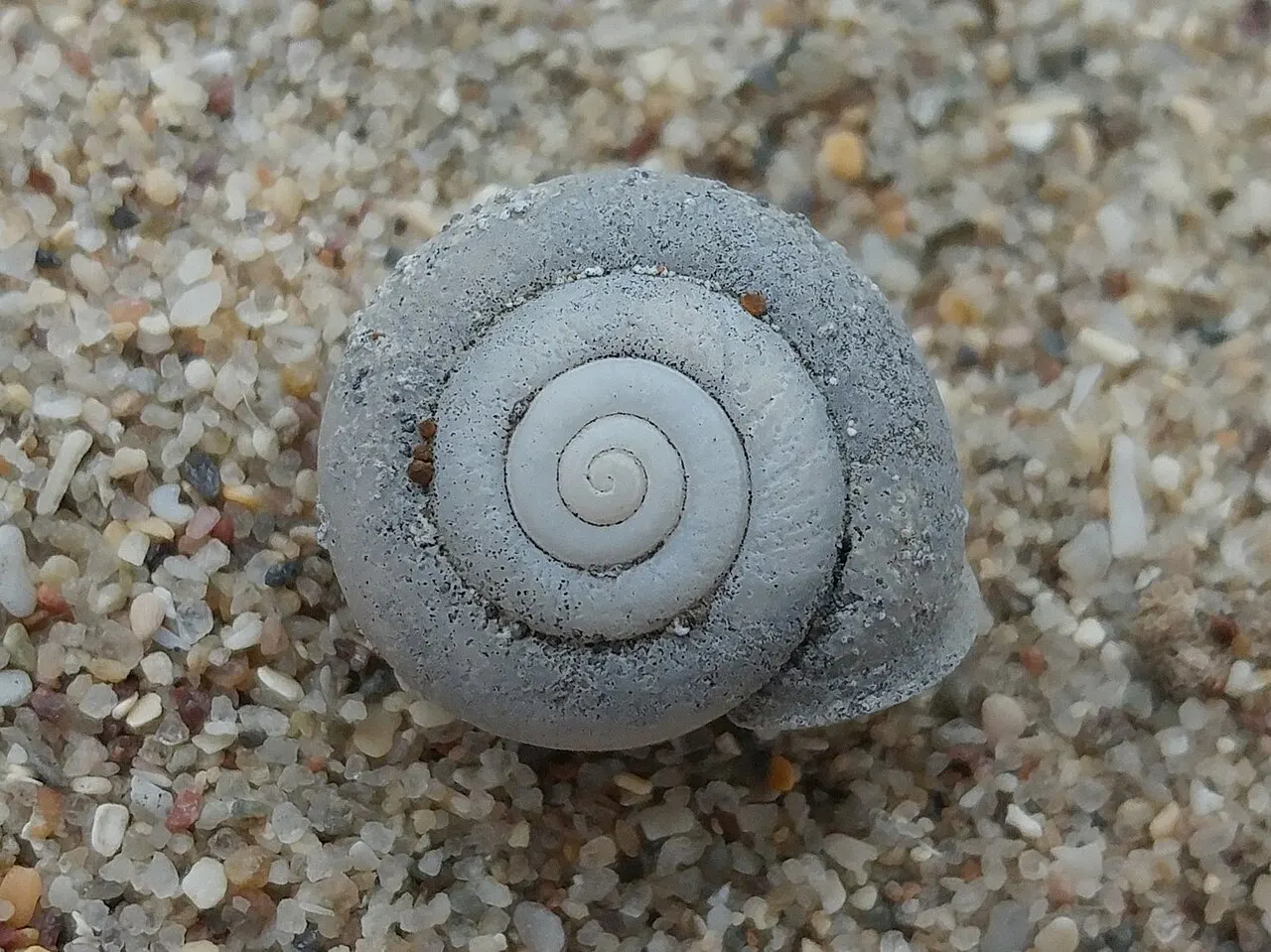
The fraternal snail, Micrarionta feralis, also called the San Nicolas Island snail, is a small land snail of California's Channel Islands. The IUCN Red List assessed it as Critically Endangered in 1996, and a 2020 conservation article still called it extremely rare, with its diet unknown.
How to recognise it
The fraternal snail is an air-breathing land snail. Henry Hemphill published it in 1901 under the names Helix rufocincta var. feralis and Helix feralis. Its shell size and colour have not been published in accessible sources, so identification rests with specialists.
Where it lives
The species is endemic to California and takes its common name from San Nicolas Island. The island is the most remote of the Channel Islands, about 98 km (61 miles) from the nearest mainland coast, and covers roughly 5,900 hectares.
Its vegetation is mostly coastal bluff scrub, shaped by a semi-arid climate with about 218 mm (8.6 inches) of rain a year. The island is home to more than ten mollusks found nowhere else.
Pins are Wikidata “endemic to” fields. Orange dots, when present, are GBIF occurrence tiles — survey bias included.
How it lives
Very little is known. Researchers at the Santa Barbara Botanic Garden think it is a plant eater, but whether it feeds on green plants, lichens or fungi is unknown. Its life cycle and numbers remain undescribed.
Why it is in trouble
Sheep ranchers began using San Nicolas Island in 1853. Grazing nearly eliminated native shrubs and trampling badly damaged lichen crusts. The sheep were removed in 1943, and the island is now controlled by the US Navy as a weapons testing and training site.
Carnivorous land snails introduced during the 20th century may prey on the fraternal snail, and that has not been established. NatureServe ranks the species G1, critically imperiled, and the 1996 Red List assessment (made under an older system, criteria B1+2d) gives no population estimate or trend.
What is being done
In 2020, scientists at the Santa Barbara Botanic Garden described a project with Naval Base Ventura County's natural resources staff that uses DNA barcoding of droppings to learn what island animals eat. For the snail, it could show what it feeds on and whether predatory snails eat endangered snails. Navy biologists could then act on the results.
Sources
Written for this catalog in our own words from the sources below, checked against them on 12 November 2026. Population figures are estimates and carry the year they were made. Status and assessment year: IUCN. 2026. The IUCN Red List of Threatened Species. Version 2026-1. iucnredlist.org.




