Endangered
Dwarf musk deer
Moschus berezovskii
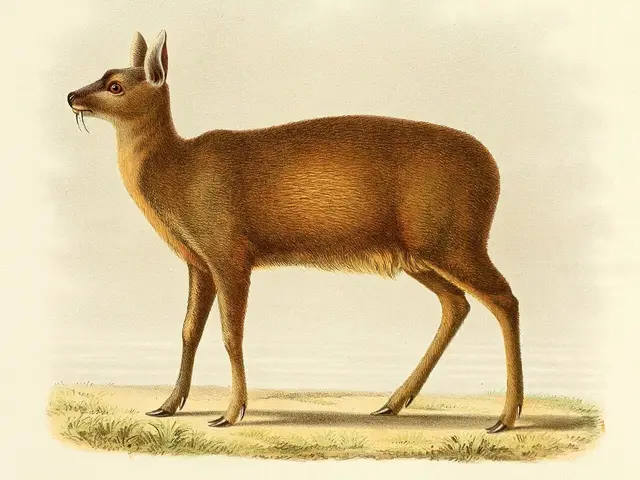
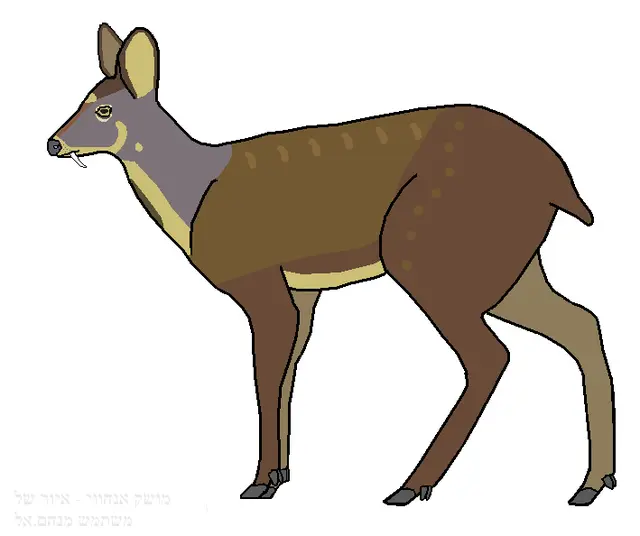
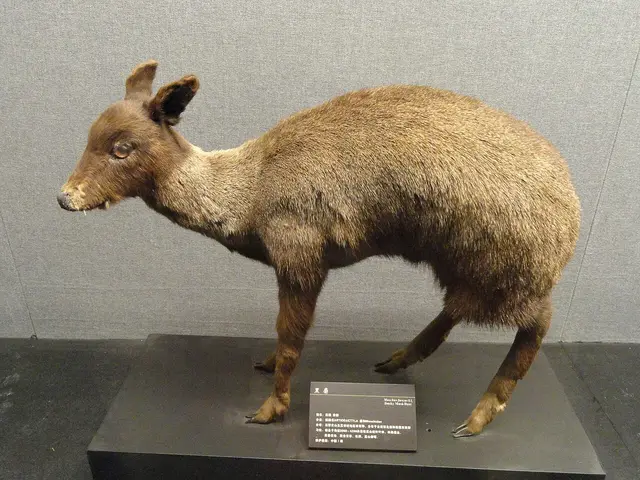
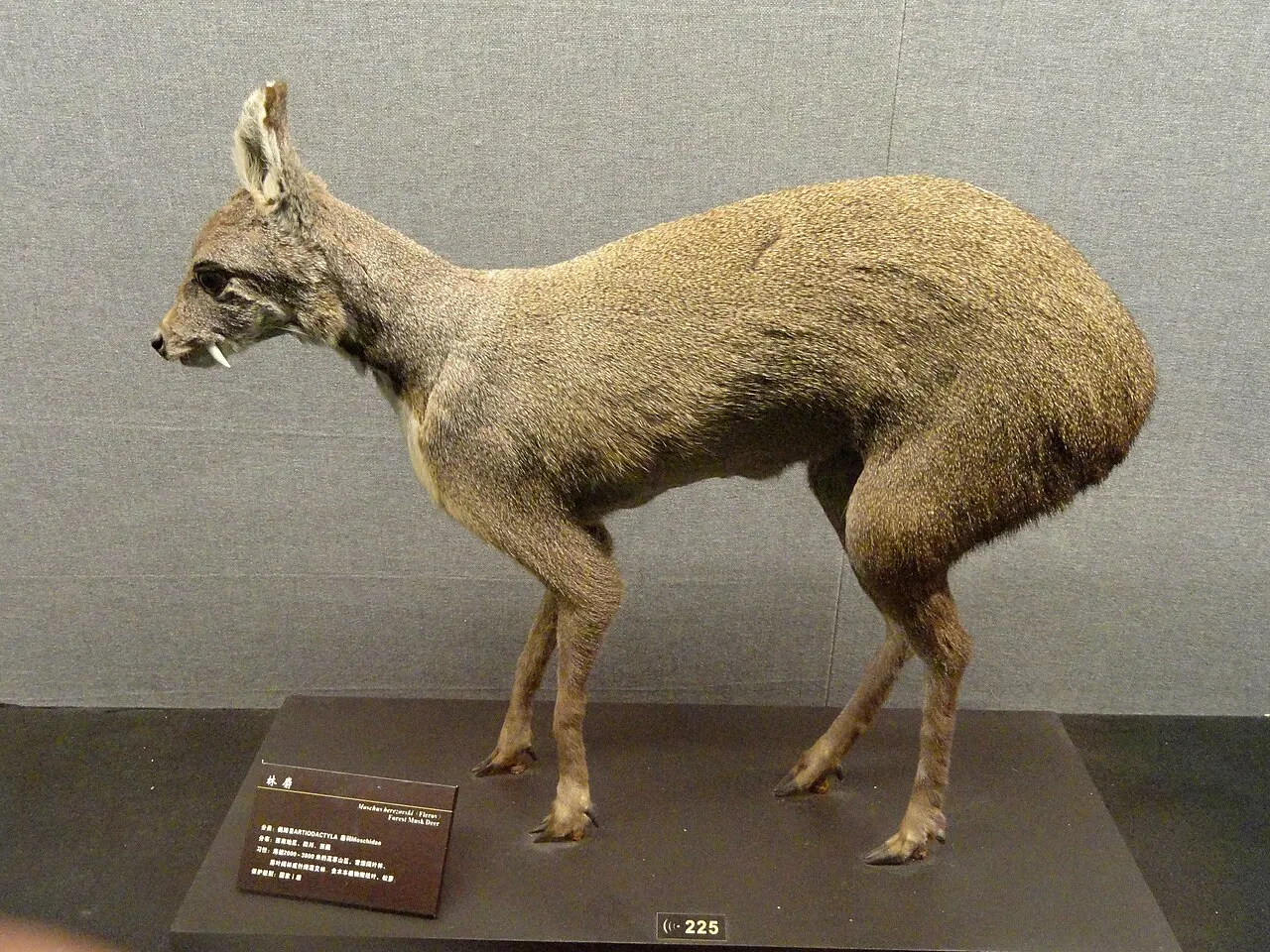
The dwarf musk deer, also called the forest musk deer (Moschus berezovskii), is a small deer of the mountains of southern and central China and northern Vietnam. The IUCN Red List rated it Endangered in 2015. Hunting for the musk gland of males, and loss of mountain forest, have cut its numbers sharply.
Where it lives
The species lives in the mountains of southern and central China, from Shaanxi to Yunnan and into southern Tibet, with a small extension into northern Vietnam. The IUCN lists China and Viet Nam as present and Laos as uncertain. It uses temperate and subtropical mountain forest and shrubland at roughly 2,000 to 3,800 metres.
Four subspecies have been named, though one database treats most of those names as synonyms. The species name honours the collector Mikhail Berezovsky, and the animal was described by Flerov in 1928 or 1929, depending on the source.
Pins are Wikidata “endemic to” fields. Orange dots, when present, are GBIF occurrence tiles — survey bias included.
How it lives
Musk deer are shy, solitary ruminants of high mountain forest. Adult males carry a musk pod on the belly. That gland is why the animals have been hunted for hundreds of years, since musk is valued in traditional Chinese medicine and in perfume. The IUCN gives a generation length of seven years.
A 2022 genomics paper described wild groups as split into small pockets by barriers such as the Qinling Mountains and the Minjiang River, with towns, roads and railways adding to the fragmentation.
Why it is in trouble
The IUCN estimated a past decline of about 50 percent, based on loss of habitat and on hunting levels, and lists the trend as decreasing. It names small-holder farming, housing, grazing and targeted taking as current threats. A 2022 genomics paper, citing an earlier dissertation, gave densities of only 0.16 to 0.24 animals per square kilometre.
The pattern shows at the edge of the range too. In Vietnam, an estimate from the late 1990s put the population at about 200 and falling. A 2021 report in Oryx described the first confirmation in more than two decades that the species survives there, from two camera-trap sequences in a protected area in the northeast, and named wire snares as a likely threat.
What is being done
China placed the species on its endangered species list on 14 June 1976. It is covered by CITES, and Chinese and Vietnamese animals are reportedly under Appendix II. The IUCN records protected sites over the whole range, trade controls, and animals held for captive breeding.
Musk deer are also held and bred in captivity. A 2022 genomics paper, citing a news report, put captive numbers in Shaanxi above 11,340, though captive animals show disease susceptibility and possible inbreeding. Whether farming has eased pressure on wild deer is unsettled.
Sources
Written for this catalog in our own words from the sources below, checked against them on 12 November 2026. Population figures are estimates and carry the year they were made. Status and assessment year: IUCN. 2026. The IUCN Red List of Threatened Species. Version 2026-1. iucnredlist.org.