Endangered
Manantial roundnose minnow
Dionda argentosa
The Manantial roundnose minnow (Dionda argentosa) is a small silvery fish of clear, spring-fed streams in the Devils River region of Texas. The IUCN Red List rated it Endangered in 2019 because its range is small and depends on spring and river flow, though it remains common where it lives.
How to recognise it
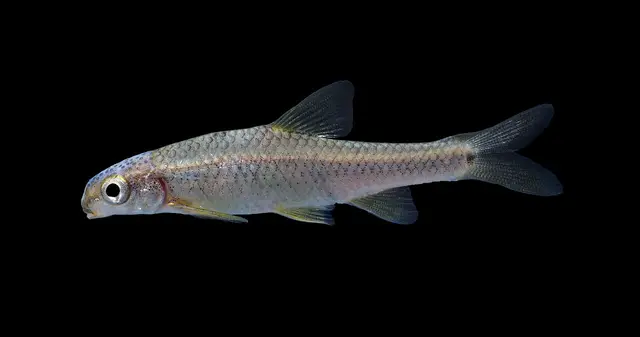
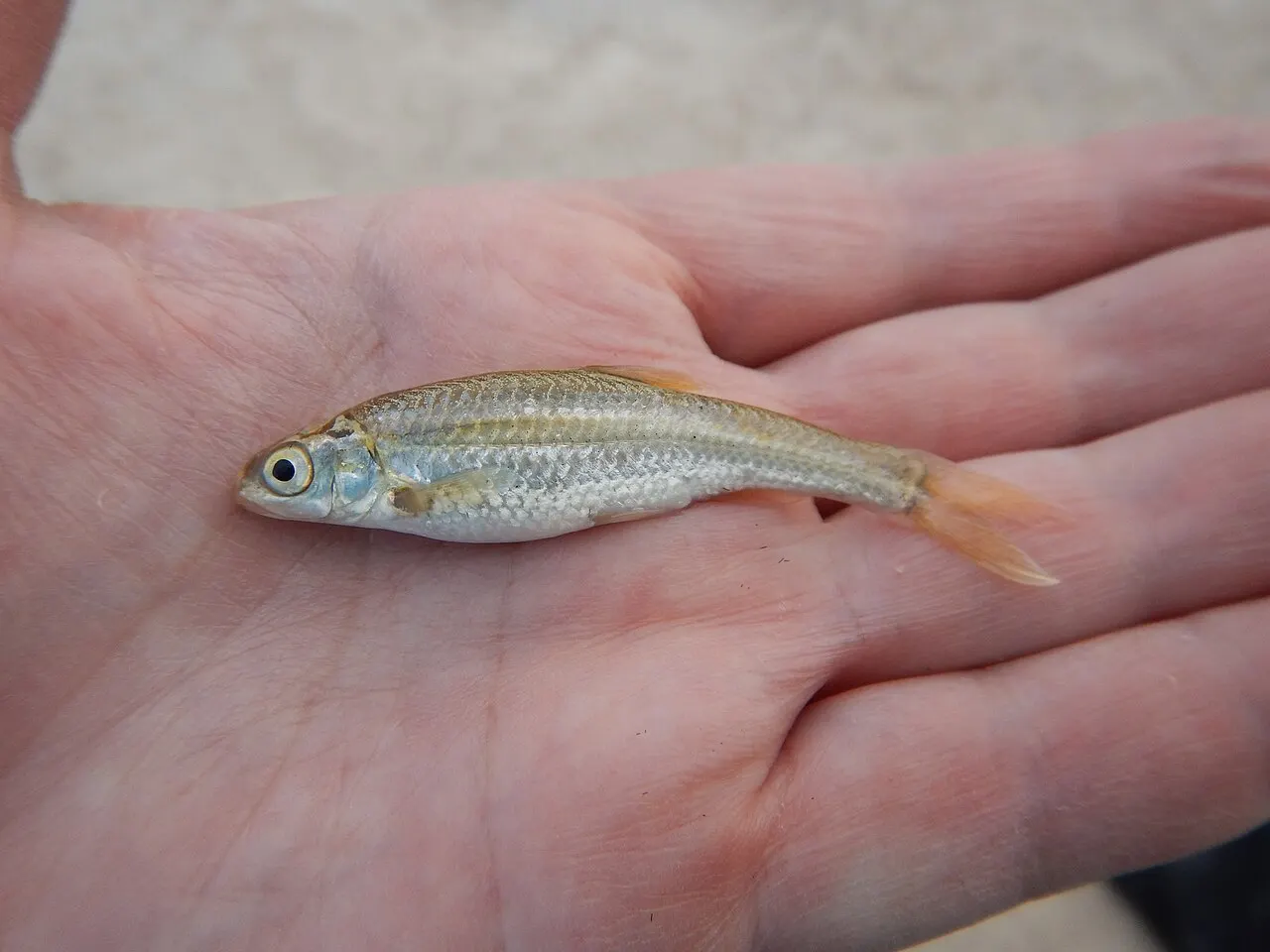
It grows to about 76 mm (3 inches). The back is reddish brown, the sides and belly are silvery and the fins are olive. A black stripe runs from the eye to the snout, and a small round black spot sits on the tail fin. The name argentosa means 'silvery'. The fish has 36 to 41 scales along the lateral line, and its gut is more than twice as long as its body.
Where it lives
Charles Girard described the species in 1856 from San Felipe Creek and the Devils River. In Texas it is known from the Devils River, San Felipe Creek and Sycamore Creek in Val Verde County, with later records from the lower Pecos River at Pandale and from San Felipe Spring. The IUCN range data also include Coahuila, Mexico, although most accounts treat it as found only in Texas.
The Spanish word 'manantial' means spring-run, and that is the habitat: headwaters and runs of clear water with little temperature change.
Pins are Wikidata “endemic to” fields. Orange dots, when present, are GBIF occurrence tiles — survey bias included.
How it lives
In the Devils River it favoured riffles before a flood, then shifted toward channel habitat afterwards, and it avoided isolated pools. That suits a fish from flood-prone country. Small juveniles under 15 mm were collected from autumn to spring, most in winter, which suggests breeding peaks around autumn. The Devils River minnow (Dionda diaboli) lives in some of the same streams but is a different species.
Why it is in trouble
Everything rests on water. The IUCN assessment lists groundwater and surface water abstraction as the threats, and rates the population as fragmented with continuing habitat decline, though the overall trend is stable. The listing is under criterion B2ab(iii), which concerns a small area of occupancy and declining habitat quality, not a measured fall in fish numbers. The species had been rated Near Threatened in 2014 before the 2019 Endangered assessment. Fishes of Texas describes it as abundant in the Devils River, San Felipe Creek and Sycamore Creek, and notes that a change in water quantity or quality could easily change its status.
What is being done
It is not federally protected. Texas lists it as a Species of Greatest Conservation Need and NatureServe ranks it G3 globally. The IUCN assessment names habitat restoration, site management and protection of water and habitat as conservation actions, with no species recovery plan recorded.
Sources
Written for this catalog in our own words from the sources below, checked against them on 12 November 2026. Population figures are estimates and carry the year they were made. Status and assessment year: IUCN. 2026. The IUCN Red List of Threatened Species. Version 2026-1. iucnredlist.org.