Endangered
Crotalus pusillus
Crotalus pusillus
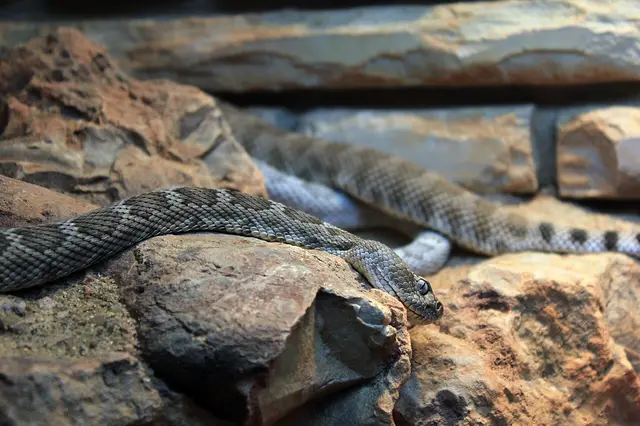
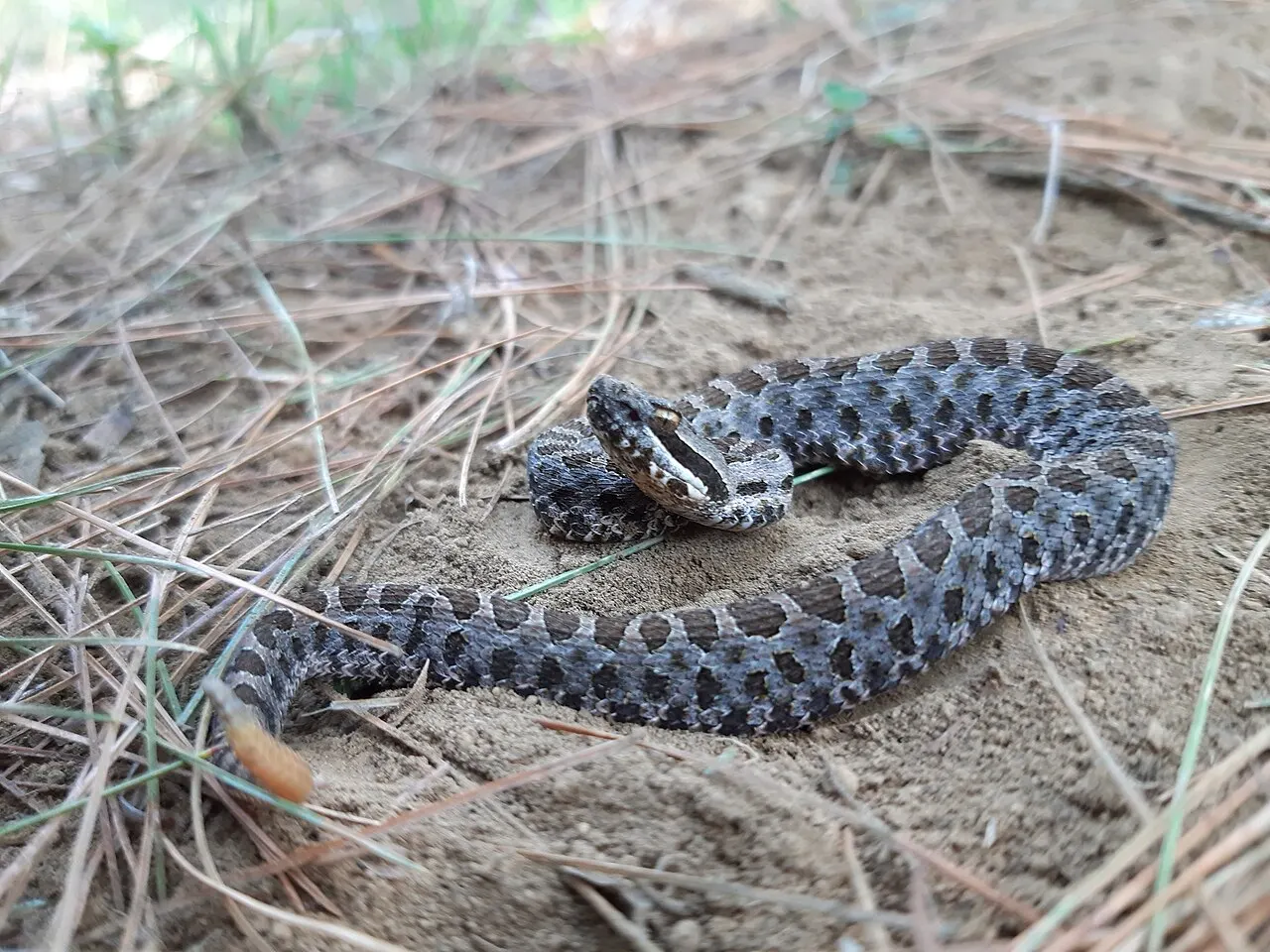
The Tancitaran dusky rattlesnake is a small, venomous pit viper from the mountains of west-central Mexico, where it lives among pine and oak forest and on rocky slopes. The IUCN Red List assessed it as Endangered in 2007, because its range is limited and its habitat is shrinking and fragmenting.
How to recognise it
It's a small rattlesnake. Adult males can pass 50 cm, females are smaller, and the longest recorded specimen was 68.2 cm. The Rattlesnake Conservancy describes it as usually under two feet long. Like other rattlesnakes it is venomous.
Laurence Klauber described it in 1952 from Tancitaro, Michoacan, at about 1,524 m. No subspecies are recognised today.
Where it lives
The species lives in west-central Mexico, in the Sierra de Coalcoman in southwestern Michoacan, in the Transverse Volcanic Cordillera of west-central Michoacan and in adjacent Jalisco. It probably reaches northeastern Colima as well. Records run from about 1,525 to 2,380 m. The Reptile Database describes the range somewhat differently, as northeastern Michoacan, southern Jalisco and Colima.
The IUCN lists two habitats: rocky areas such as cliffs and mountain peaks, and dry subtropical forest. The Rattlesnake Conservancy describes pine-oak forest on the mountains and volcanoes of the Trans-Mexican Volcanic Belt.
Pins are Wikidata “endemic to” fields. Orange dots, when present, are GBIF occurrence tiles — survey bias included.
How it lives
Little has been published. Campbell and Lamar, in a 2004 handbook of venomous reptiles, recorded it active only by day, and cold nights in the highlands seem to limit when it can move about. The Rattlesnake Conservancy suggests it eats mostly lizards, though that is an inference rather than a documented finding. Females give birth to live young instead of laying eggs.
Why it is in trouble
The IUCN lists ongoing threats from grazing, shifting agriculture, small-scale farming, tourism and recreation areas, and housing. Each one converts or degrades habitat. The Rattlesnake Conservancy also names habitat fragmentation, cartel activity and volcanic activity as hazards.
The 2007 assessment gave the population trend as unknown and no population size. A 2016 analysis by Maritz and colleagues ranked the species among the 30 most endangered vipers in the world.
What is being done
The 2007 assessment notes that the snake occurs in at least one protected area and lists site and area management as an action. The Rattlesnake Conservancy reports that Mexico lists the species as Amenazada (Threatened) under national rules, and that captive breeding is among current efforts.
Sources
Written for this catalog in our own words from the sources below, checked against them on 12 November 2026. Population figures are estimates and carry the year they were made. Status and assessment year: IUCN. 2026. The IUCN Red List of Threatened Species. Version 2026-1. iucnredlist.org.