Endangered
Crimean Spined Loach
Cobitis taurica
The Crimean spined loach is a small bottom-living freshwater fish known only from the Chornaya (Chernaya) River on the Crimean Peninsula. The IUCN Red List lists it as Endangered (assessed 2024). It occupies one short stretch of stream, and water use along that stretch is a concern.
How to recognise it
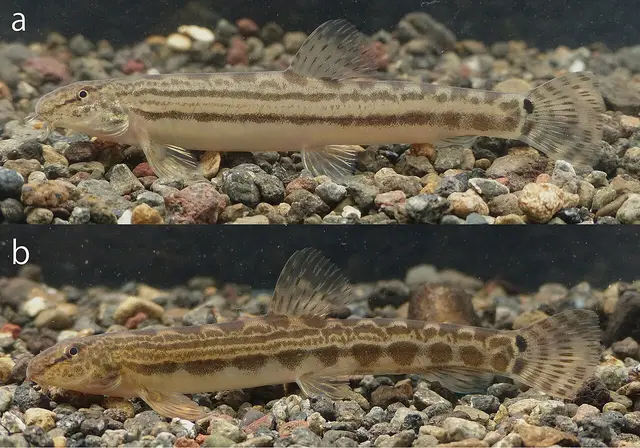
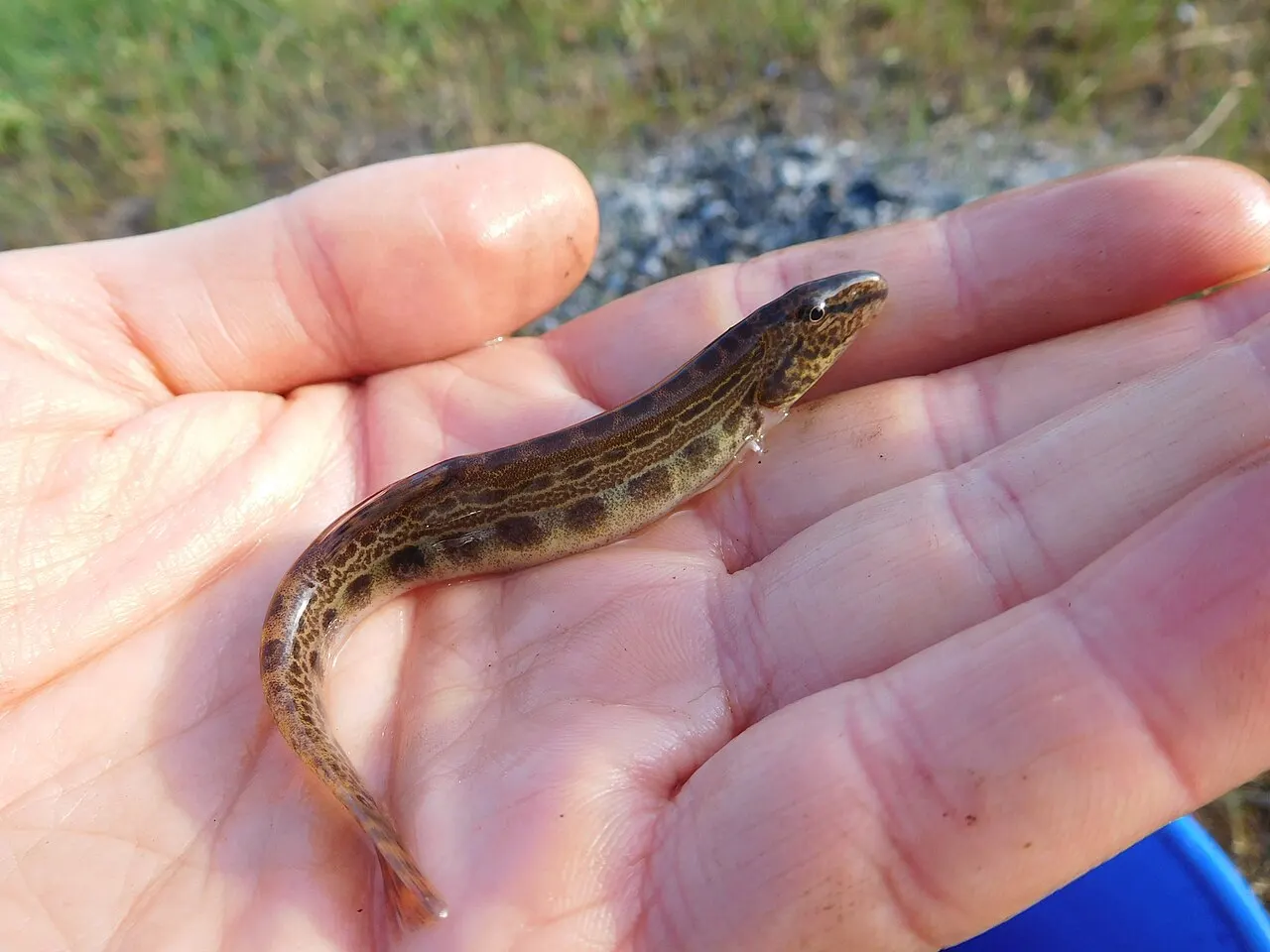
Spined loaches are slender fish of the family Cobitidae. This one reaches about 9.7 centimetres in standard length for males and 9.2 centimetres for females. It has 2 to 3 dorsal spines and 6 to 8 dorsal soft rays.
Several spined loaches look alike, so scientists use chromosome counts and genetics to tell them apart. This one has 50 chromosomes. A 2005 study in Folia Zoologica compared loaches from the Chernaya, Veleka and Southern Bug rivers with chromosome, enzyme and mitochondrial DNA data, and described the Crimean fish as a new species. The name taurica refers to Tauris, an old name for Crimea.
Where it lives
The IUCN lists a single location and a single population, with an extent of occurrence of about 187 square kilometres. The fish lives in permanent streams with slow to moderate, clear water, over sand, silt or dense vegetation. A loach population in the lower Southern Bug has similar chromosomes and may be an unnamed species, so the Crimean river remains the only certain home of this one.
Pins are Wikidata “endemic to” fields. Orange dots, when present, are GBIF occurrence tiles — survey bias included.
How it lives
It lays eggs. FishBase describes courtship in dense vegetation, where the male wraps a ring around the female behind her dorsal fin as she releases eggs. Little else about its diet or lifespan appears in the sources available.
Why it is in trouble
With everything in one stretch of river, a single event could hurt the whole species. FishBase notes that the stretch might dry up in summer. The IUCN lists taking water from the river and from groundwater for both household and agricultural use, small dams, and sewage as threats. It says the habitat area is continuing to decline, while the population trend is unknown.
The assessment records no protected area, recovery plan, monitoring scheme or captive programme for this loach.
Sources
Written for this catalog in our own words from the sources below, checked against them on 12 November 2026. Population figures are estimates and carry the year they were made. Status and assessment year: IUCN. 2026. The IUCN Red List of Threatened Species. Version 2026-1. iucnredlist.org.