Critically Endangered
Characidium grajahuense
Characidium grajahuense
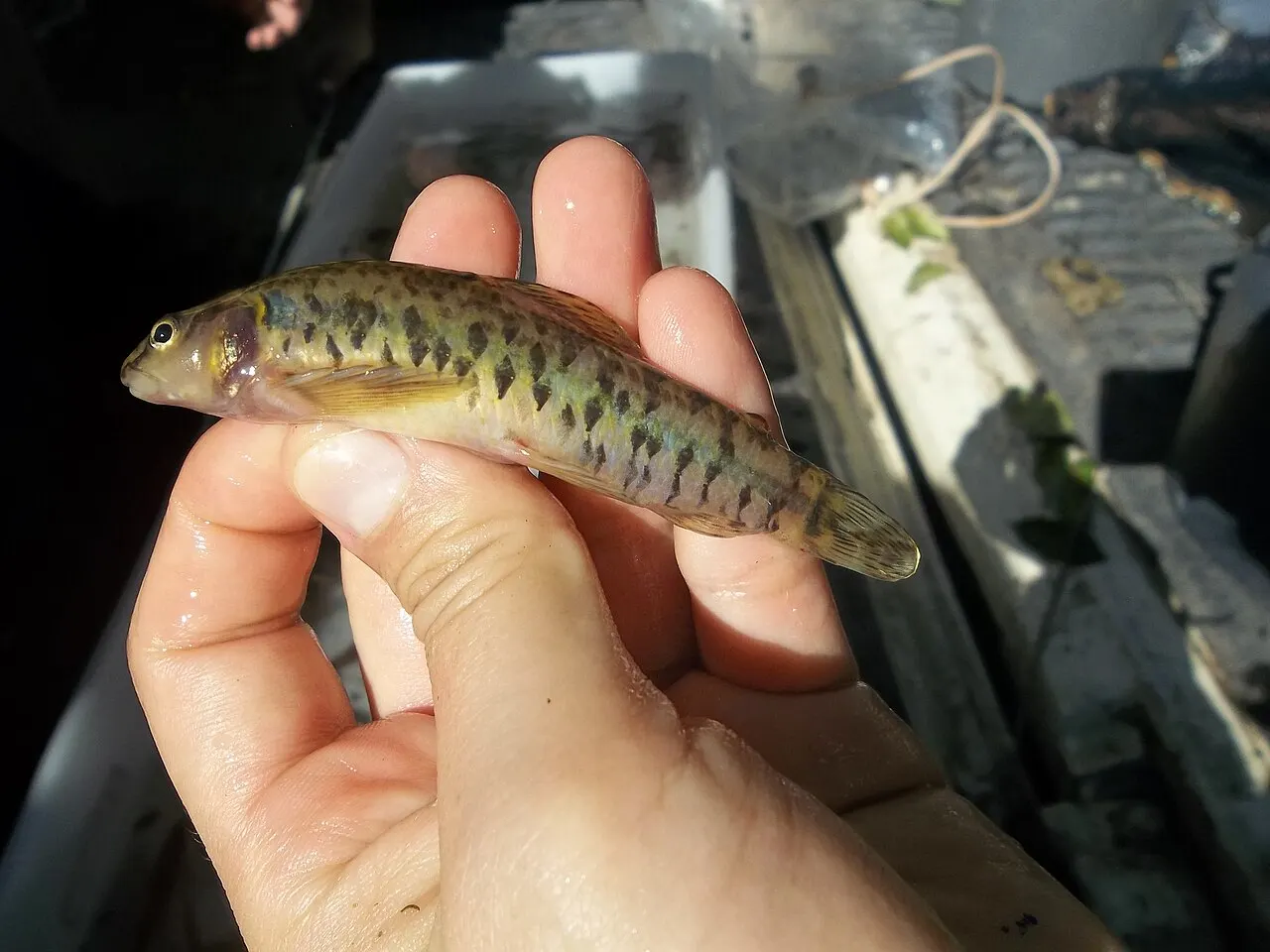
Characidium grajahuense is a small, slender fish of the family Crenuchidae, found only in coastal streams of Rio de Janeiro state, Brazil. Its Critically Endangered listing was published in 2022. The IUCN records a decreasing trend and a tiny occupied area, with sewage, water abstraction and urban development among the threats.
How to recognise it
It is a slender, bottom-living fish that tops out at about 8.8 cm. The Brazilian ichthyologist Haroldo Travassos described it in 1944 from a specimen collected at Grajaú, in Rio de Janeiro, and the species name points back to that place.
Its genus, Characidium, holds the South American darters. Members are generally small (under 10 cm), slim, and stay close to the stream bed, where they feed on small animals such as insects. The diet and breeding of this particular species are not described in the sources available, so the genus pattern is the best guide.
Where it lives
The range is a strip of coastal streams between Guanabara Bay and Mangaratiba in Rio de Janeiro state. The IUCN assessment lists permanent rivers and streams, plus small freshwater marshes and pools under 8 hectares, as its habitat.
Museum and survey records held in the Global Biodiversity Information Facility run from 1950 to 2014. They come from several waters in the same region, including the Macacu river basin near Cachoeira de Macacu, a reservoir at Mendanha in Campo Grande, Tinguá, and a stream in the Serra da Estrela above Magé. The newest are 2012 to 2014 observations, one of them a 2014 citizen-science record.
Pins are Wikidata “endemic to” fields. Orange dots, when present, are GBIF occurrence tiles — survey bias included.
Why it is in trouble
The 2022 assessment counts one threat-based location and estimates the area the fish actually occupies at just 4 square kilometres. Both the area and the number of locations are judged to be shrinking.
The listed pressures are sewage, housing and urban development, water taken from streams for commercial and domestic use, and other changes to the stream ecosystem. All are recorded as ongoing, each with a low impact score. The fish lives in small coastal streams near a very large city.
What is being done
The assessment calls for protection of the species' habitat and resources, but it records no conservation actions as currently in place. It also lists research needs: population size, distribution and trends, life history and ecology.
Several recent records, from 2012 to 2014, come from the research-permit database of Brazil's biodiversity agency ICMBio, and the fish was still being found in the region as recently as 2014.
Sources
Written for this catalog in our own words from the sources below, checked against them on 12 November 2026. Population figures are estimates and carry the year they were made. Status and assessment year: IUCN. 2026. The IUCN Red List of Threatened Species. Version 2026-1. iucnredlist.org.




