Endangered
Chaetostoma loborhynchos
Chaetostoma loborhynchos
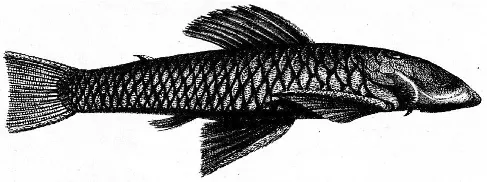
Chaetostoma loborhynchos is a small suckermouth catfish found only in the Peruvian Andes foothills, in rivers that drain into the upper Ucayali basin. The IUCN Red List rated it Endangered in 2016. It is the type species of its genus, which Tschudi named in 1846.
How to recognise it
This is a modest armoured catfish in the family Loricariidae, the suckermouth armoured catfishes. It reaches about 14.2 cm in standard length, the largest size on record.
The genus name comes from Greek words meaning hair and mouth. Tschudi described the species in 1846, and FishBase lists no recent taxonomic work on it. Published detail on the living fish, such as colour, diet or breeding, is hard to find.
Where it lives
The species is endemic to Peru. It has been recorded from the upper Tulumayo River in Junin and the upper Paucartambo River in Pasco, both in the upper Ucayali basin. FishBase instead gives the Tambo River basin, also in the Ucayali drainage, so the exact limits of its range are unsettled.
The IUCN lists permanent rivers and streams as its habitat, at roughly 1,000 to 1,500 m above sea level. It puts the extent of occurrence at about 1,100 square km and counts only two locations. Most other species in the genus live in flowing rivers of the lower Andes and their foothills.
Pins are Wikidata “endemic to” fields. Orange dots, when present, are GBIF occurrence tiles — survey bias included.
Why it is in trouble
A small range in rivers that people want to use is the core problem. The IUCN threat list for the 2016 assessment includes large dams, water abstraction, soil erosion and silt, and nutrient loads in the water. It also lists subsistence harvest, both deliberate and accidental, though the scale of each threat is recorded as unknown. A hydroelectric dam, deforestation, a cement factory and mining are reportedly the specific pressures behind the listing.
The assessment records the population as decreasing, with continuing decline in the area it occupies. The species is not known from any protected area, and no conservation sites have been identified for it. Surveys of its numbers, range and habitat trends are listed as research needs.
Sources
Written for this catalog in our own words from the sources below, checked against them on 12 November 2026. Population figures are estimates and carry the year they were made. Status and assessment year: IUCN. 2026. The IUCN Red List of Threatened Species. Version 2026-1. iucnredlist.org.




