Critically Endangered
Cabrera's hutia
Mesocapromys angelcabrerai
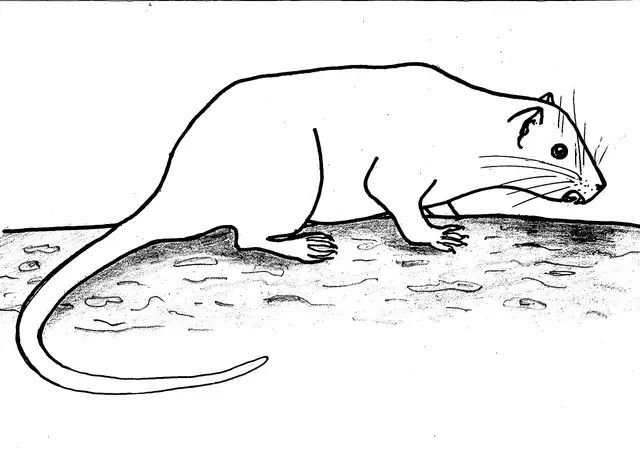
Cabrera's hutia (Mesocapromys angelcabrerai) is a small, rat-like rodent found only in Cuba, where it lives in swamps and coastal mangrove forest. It is rated Critically Endangered on the IUCN Red List (assessment published 2025), with a tiny known range and a single recorded location.
Where it lives
The species was described in 1979 and is named for the Spanish zoologist Angel Cabrera. Early records come from the Ana Maria cays off south-central Cuba. The IUCN assessment lists Cuba as the only country and gives one location. It estimates the extent of occurrence at 22 square km and the area actually occupied at just 5 square km, both still shrinking.
Its habitats are swamps and marshes and mangrove forest above the high-tide line. An older summary described it as very localised but abundant where it occurs, in a remote area with no development planned.
Pins are Wikidata “endemic to” fields. Orange dots, when present, are GBIF occurrence tiles — survey bias included.
How it lives
Hutias are Caribbean rodents. Cabrera's hutia lives in communal shelters, reportedly nests built from mangrove branches and leaves. Little else about its daily life appears in the sources available, and the Red List assessment records its population trend as unknown.
Why it is in trouble
The assessment lists several ongoing pressures: introduced cats and black rats, tourism and recreation development, and use of the animal itself. Further habitat change and storms and flooding are listed as future threats.
Conservation charity Durrell has described the species as Critically Endangered (Possibly Extinct), citing lower habitat quality from causeway construction, disturbance by local people and invasive mammals. The 2025 Red List assessment does not carry a possibly extinct tag. Durrell named this hutia as one of three Cuban species that need urgent expeditions to confirm whether they survive.
What is being done
The Red List notes that conservation sites have been identified over its whole range and that it occurs in at least one protected area. No dedicated recovery plan is described.
Sources
Written for this catalog in our own words from the sources below, checked against them on 12 November 2026. Population figures are estimates and carry the year they were made. Status and assessment year: IUCN. 2026. The IUCN Red List of Threatened Species. Version 2026-1. iucnredlist.org.