Endangered
Arabineura khalidi
Arabineura khalidi
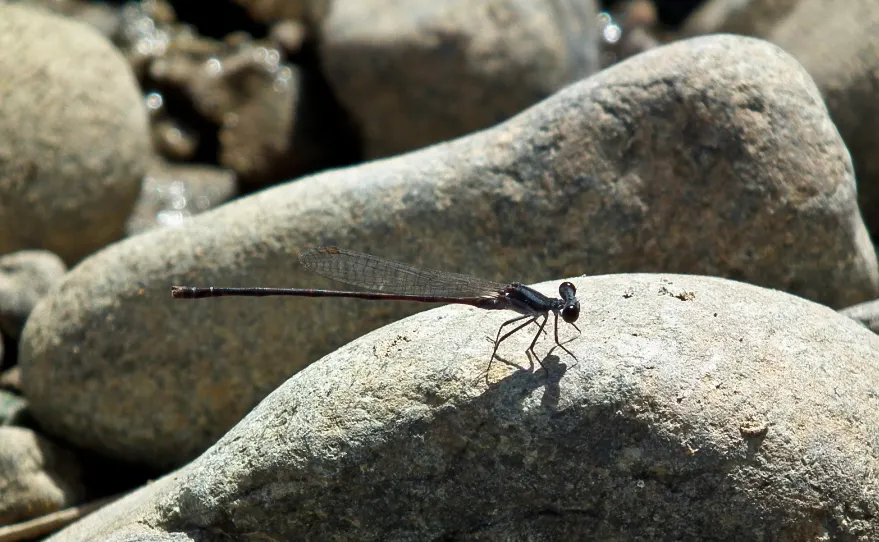
Arabineura khalidi, sometimes called the Hajar Wadi damsel, is a slender damselfly found only in the streams of northern Oman and the United Arab Emirates. The IUCN Red List rated it Endangered in 2013, raised from Vulnerable in 2006, because its water is shrinking.
What it is
It's a damselfly, an Arabian endemic described by Schneider in 1988. Current checklists place it in the family Platycnemididae, though older lists, including a 1998 checklist of UAE dragonflies and damselflies, file it under Protoneuridae.
Very little has been published about its appearance or habits. Nothing in the main sources describes its colouring, size or larval stage.
Where it lives
The Red List records it in the UAE and Oman, in permanent streams and in streams that flow only part of the year. It occurs between about 150 and 1,000 m above sea level. The 2013 assessment counted five locations and an area of occupancy of just 17 to 34 square kilometres.
In 2014 and 2015, Emirates Wildlife Society and WWF surveyed 54 sites in the Hajar Mountains and the Dhofar region and recorded 32 species of dragonfly and damselfly, this one among them. The survey added new localities for the species, which widened its known range.
Pins are Wikidata “endemic to” fields. Orange dots, when present, are GBIF occurrence tiles — survey bias included.
Why it is in trouble
The main problem is water. The Red List lists abstraction of ground water and surface water for homes and farms, and sewage, as ongoing threats. Drought, dams and wider habitat change are listed as future threats. A damselfly that breeds in streams has little to fall back on when they dry up or turn foul.
The same survey found marked differences in species make-up at previously known sites it revisited, and its report links such changes to habitat degradation from recreational development. It doesn't single out this species. The assessment says habitat is still declining and the number of locations is falling, though the trend in actual numbers is unknown.
What is being done
No conservation measures are recorded as in place. The Red List lists site protection, habitat and resource protection, and awareness work as measures this species needs, along with research on threats, ecology, population size and habitat trends.
Sources
Written for this catalog in our own words from the sources below, checked against them on 12 November 2026. Population figures are estimates and carry the year they were made. Status and assessment year: IUCN. 2026. The IUCN Red List of Threatened Species. Version 2026-1. iucnredlist.org.




