Endangered
American plaice
Hippoglossoides platessoides
The American plaice (Hippoglossoides platessoides) is a North Atlantic flatfish that once supported the world's largest flatfish fishery, on the Grand Bank off Newfoundland. The IUCN Red List rates it Endangered worldwide (assessed 2022) after steep declines, largely from overfishing, though European waters still hold common stocks.
How to recognise it
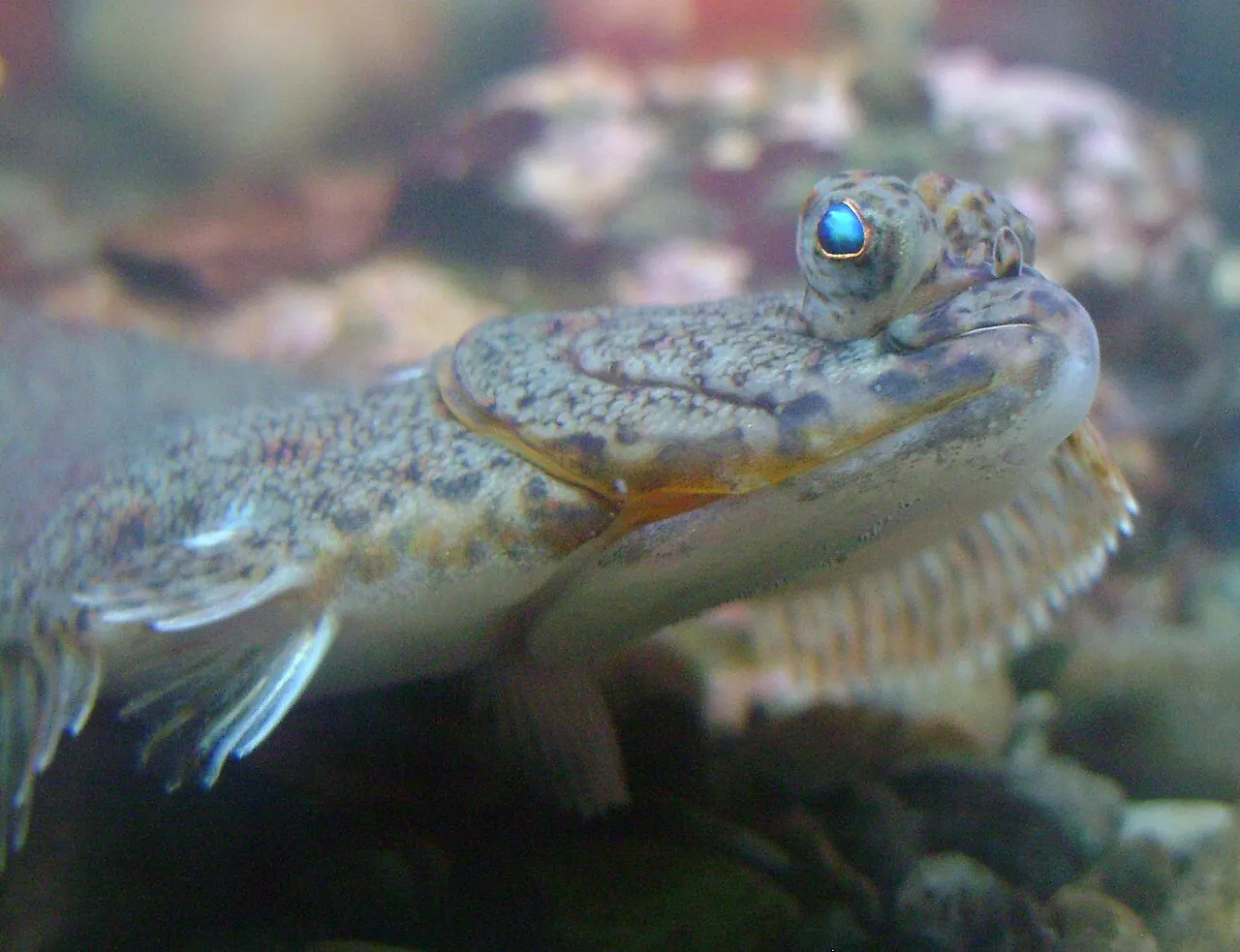
The plaice is a right-eyed flatfish. Both eyes sit on the right side of the head in adults. The eyed side is reddish to greyish brown and the blind side is white. Fish are usually up to about 60 cm, and the maximum recorded length is around 70 cm. It also goes by American sole and long rough dab.
Where it lives
It is found on both sides of the North Atlantic on continental shelves. In the west it ranges from Greenland and Labrador south to Rhode Island, and in the east from Murmansk to the English Channel, Ireland and Iceland. The IUCN lists 21 countries and territories in its range, and it is only rarely recorded in the Baltic.
It lives on sandy, sandy-mud and muddy bottoms. Recorded depths run from 10 to 3,000 m, but adults generally prefer about 100 to 300 m.
Pins are Wikidata “endemic to” fields. Orange dots, when present, are GBIF occurrence tiles — survey bias included.
How it lives
The plaice is a highly opportunistic feeder. Adults and juveniles eat worms, brittle stars and other echinoderms, molluscs, crustaceans and small fish such as capelin and sand lance. Large cod and harp and grey seals eat plaice in turn.
It is slow-growing and fairly long-lived, with a generation time of about 15 years. Females spawn in batches, up to about ten over more than a month. A 30 cm female can produce up to roughly 400,000 eggs, and a 60 cm female more than a million. In some areas the age at maturity has dropped by several years since the mid-20th century.
Why it is in trouble
The Grand Bank plaice fishery was once the largest flatfish fishery in the world. Canada's wildlife committee (COSEWIC) estimated in 2009 that adult numbers in the Newfoundland and Labrador population fell by about 94 to 96 percent, mostly in the 1990s, and that the Maritime population fell by 67 to 86 percent over several decades. The IUCN's 2022 assessment estimates a past global reduction of 60 to 70 percent and lists the trend as decreasing.
Overfishing is considered the main cause. A rise in natural deaths in the 1990s may have added to it, and catches in other fisheries remain a concern. The IUCN also lists temperature extremes as an ongoing threat. In European waters the plaice is generally common and was rated Least Concern there in 2015.
What is being done
Fishing moratoria on Newfoundland groundfish stocks began in the early 1990s, and the plaice reportedly remains under a moratorium set in 1993. Landings have stayed near 1 percent of their historical level. The IUCN records a harvest management plan, a recovery action plan and a systematic monitoring scheme. In 2009 COSEWIC rated the Maritime and Newfoundland and Labrador populations Threatened, and the federal government held a public consultation from November 2013 to January 2014 on adding them to its list of wildlife species at risk.
Sources
Written for this catalog in our own words from the sources below, checked against them on 12 November 2026. Population figures are estimates and carry the year they were made. Status and assessment year: IUCN. 2026. The IUCN Red List of Threatened Species. Version 2026-1. iucnredlist.org.




