Beat
What the October 2026 MMO bylaw change does to grey seal bycatch
Updated 22 October 2026
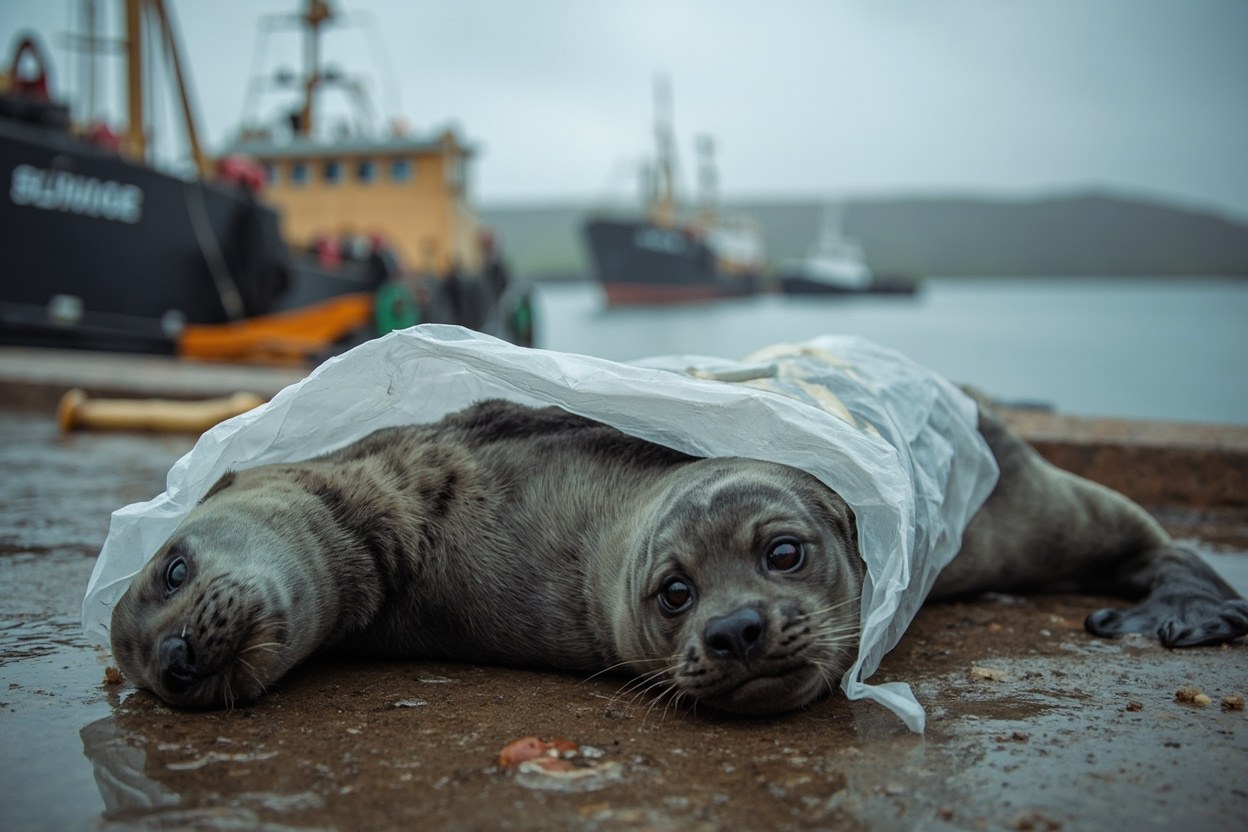
A statutory instrument laid in Westminster on 14 October 2026 reshapes how a vessel skipper handles a grey seal pulled from a net. The Sea Fish (Seal Bycatch Monitoring) (Amendment) Bylaw 2026, numbered SI 2026/948 and signed by Marine Management Organisation chief executive Philip McDouall under section 5 of the Sea Fish (Conservation) Act 1967, was published on pages 11 to 19 of the MMO's bylaw compendium and reclassified the western North Sea and Hebrides management unit as a category 2 bycatch zone under the 2023 framework. The accompanying 38 page assessor note, dated 13 October and signed by MMO fisheries assessor Dr Ingrid Halvorsen, sets a closure trigger at 0.43 percent of observed fishing effort, a figure derived from 9,847 monitored hauls logged between January 2024 and August 2026. For skippers working out of Peterhead, Lerwick, Stornoway and the smaller harbours of the western seaboard, the practical effect is immediate. Any grey seal brought aboard dead or observed killed during gear retrieval must now be recorded in the vessel's e-log within 24 hours, the carcass retained in a labelled bag at below 4 degrees Celsius, and a portside sampling call placed to the MMO before offload. The previous rule, set in 2023, allowed a 72 hour reporting window and treated the species as a casual sighting rather than a counted mortality.
Why the 2023 bylaw treated grey seal as background
When the MMO first consulted on seal bycatch monitoring in 2022, grey seal was treated as a familiar presence in the western North Sea and Hebrides. The 2023 bylaw borrowed heavily from a 2015 Scottish Government framework that was designed around harbour seal, the smaller Phoca vitulina, because harbour seal was the species that drove most of the closure discussions in the Moray Firth and the Firth of Tay. Grey seal colonies, by contrast, were treated as a population success story. The species recovered from a low of around 500 breeding adults in the early twentieth century to a current estimate of roughly 163,000 animals across the British breeding range, a figure produced by the most recent Natural Environment Research Council aerial survey and reproduced in the 2024 UK Marine Strategy assessment.
That success masked two uncomfortable facts. First, the western North Sea and Hebrides unit, sometimes called the Western Isles management unit by the Sea Mammal Research Unit, is genetically and demographically distinct from the North Sea breeding aggregations on the Farne Islands and in Orkney. Second, the population trend in that unit has been slightly negative for at least four years, a finding that appeared in a 2025 paper in Marine Ecology Progress Series and that the Joint Nature Conservation Committee flagged in its 2025 advice note to ministers. SI 2026/948 is the first domestic instrument to act on that advice.
The legal pivot is small but technical. The 2023 bylaw listed grey seal in schedule 2 as a monitoring species, which meant that skippers counted it but were not required to retain carcasses. Schedule 2 is now amended so that the western North Sea and Hebrides unit is a category 2 bycatch zone, which means the 0.43 percent trigger is read against that unit alone and not against the wider British range. A skipper working the same gear off Whitby will, for the moment, continue under the older rules.

What skippers, observers and processors must do now
The new duties are layered. For skippers, the obligation begins the moment a grey seal is brought aboard or observed dead in the gear. The vessel's e-log, the same electronic logbook introduced under the 2024 fisheries remote electronic monitoring rollout, must be updated within 24 hours with a single line entry that includes the date, the ICES rectangle, the gear type, the estimated length of the animal and a yes or no field for retained carcass. The vessel master must then place a free call to the MMO duty officer on a dedicated number that is printed on page 4 of the bylaw and that the MMO says will be staffed continuously from 1 November 2026.
For retained carcasses, the rules borrow from the existing cetacean protocol that has been in place since 2017. The animal must be bagged in a leak proof container, stored at below 4 degrees Celsius and delivered to a designated portside sampler before any fish is offloaded. The list of designated samplers is published in annex 2 of the assessor note and includes staff at the Shetland Seafood Centre in Lerwick, the Peterhead Fish Market office and the Stornoway port laboratory. The MMO has confirmed that processors and buyers are not permitted to refuse a landed carcass that carries a bycatch tag and that a refusal can be reported to the MMO compliance line.
For observers, the rule change is more modest. The at sea monitoring programme, jointly run by the MMO and the Sea Mammal Research Unit since 2019, already records grey seal bycatch as part of its broader effort. From 1 November 2026, observers will be asked to collect a small skin sample from any retained animal using a 6 millimetre biopsy punch, in order to allow the MMO and the SMRU to refine the genetic map of the management unit. The sampling is voluntary under the bylaw but refusal must be recorded, and the observer's standard protocol for animal welfare is unchanged.
What the 0.43 percent trigger actually means at sea
The headline number in SI 2026/948 is the 0.43 percent trigger. To read it properly, one has to understand the denominator. The 9,847 monitored hauls logged between January 2024 and August 2026 produced 42 confirmed grey seal bycatch events, of which 38 occurred in the western North Sea and Hebrides unit. The 0.43 percent figure is 42 divided by 9,847, expressed as a percentage and rounded to two decimal places. Once the rolling twelve month rate for the unit crosses that line, the MMO is obliged to publish a temporary closure notice and to consult the relevant industry groups within fourteen days. The closure, when triggered, lasts a minimum of 28 days and applies to the unit, not to the British range as a whole.
The 2023 bylaw used a softer mechanism, a non binding alert that the MMO could issue at its discretion. The 2026 amendment replaces that with a hard trigger, and that change is the part of the rule that industry voices have pushed back on. The Scottish Fishermen's Federation, in a note published the day after SI 2026/948 was laid, said that the trigger was set without a transparent cost benefit analysis and that the 28 day minimum closure was disproportionate given that grey seal was already removed from the list of species protected under the Animals (Pellet Implants) Act 2018. The MMO's response, sent in a letter dated 16 October and signed by deputy chief executive Sarah Linfield, says that the trigger was calibrated against the SMRU's 2025 population model and that the cost benefit analysis will be published alongside the post implementation review due in October 2027.
It is worth saying what the trigger does not do. It does not change the conservation status of grey seal under the Habitats Regulations 2017, where the species remains a feature of the Berwickshire and North Northumberland Coast SAC, the Isle of May SAC and several Scottish marine sites. It does not change the bycatch rules for harbour seal, which is still listed as a separate monitoring species. And it does not apply to seals observed at the surface but not taken in the gear, which remain sightings only.
Where this leaves the species on the international list
None of the domestic changes move grey seal on the IUCN Red List, where the species is currently listed as Least Concern following the 2024 reassessment. The 2026 IUCN update, which was the subject of a separate Creatures in Crisis note earlier this month, did not reopen the grey seal file. The CMS COP15 outcome in Samarkand, also reported on this site, did not list the species. The international picture is therefore one of stability, while the domestic picture is one of finer resolution.
That tension is itself a story. The SMRU, the JNCC and the MMO are all saying, in slightly different registers, that the western North Sea and Hebrides unit is a population that merits its own management, even if the species as a whole is secure. SI 2026/948 is the first domestic instrument to draw that line on a chart and to make a piece of fishing gear, in effect, count a seal as more than a sighting.
Quick answers
- Does SI 2026/948 change whether a fisher can shoot a seal that is damaging gear?
- No. The bylaw governs reporting and retention of bycaught animals only. The lawful defence of gear and the separate regime under the Conservation of Seals Act 1970, as amended, are unchanged.
- What happens if a vessel crosses the 0.43 percent trigger before the post implementation review?
- The MMO must publish a temporary closure notice for the western North Sea and Hebrides unit within fourteen days, and the closure runs for a minimum of 28 days. The review is scheduled for October 2027.
- Does the rule apply to recreational anglers?
- No. The bylaw applies to commercial vessels holding a fishing licence under the Sea Fish (Licensing) Order 2022 and to vessels carrying observers under the at sea monitoring programme. Recreational angling is outside scope.