Hoplonemertea in crisis
1 records. Red List version 2026-1
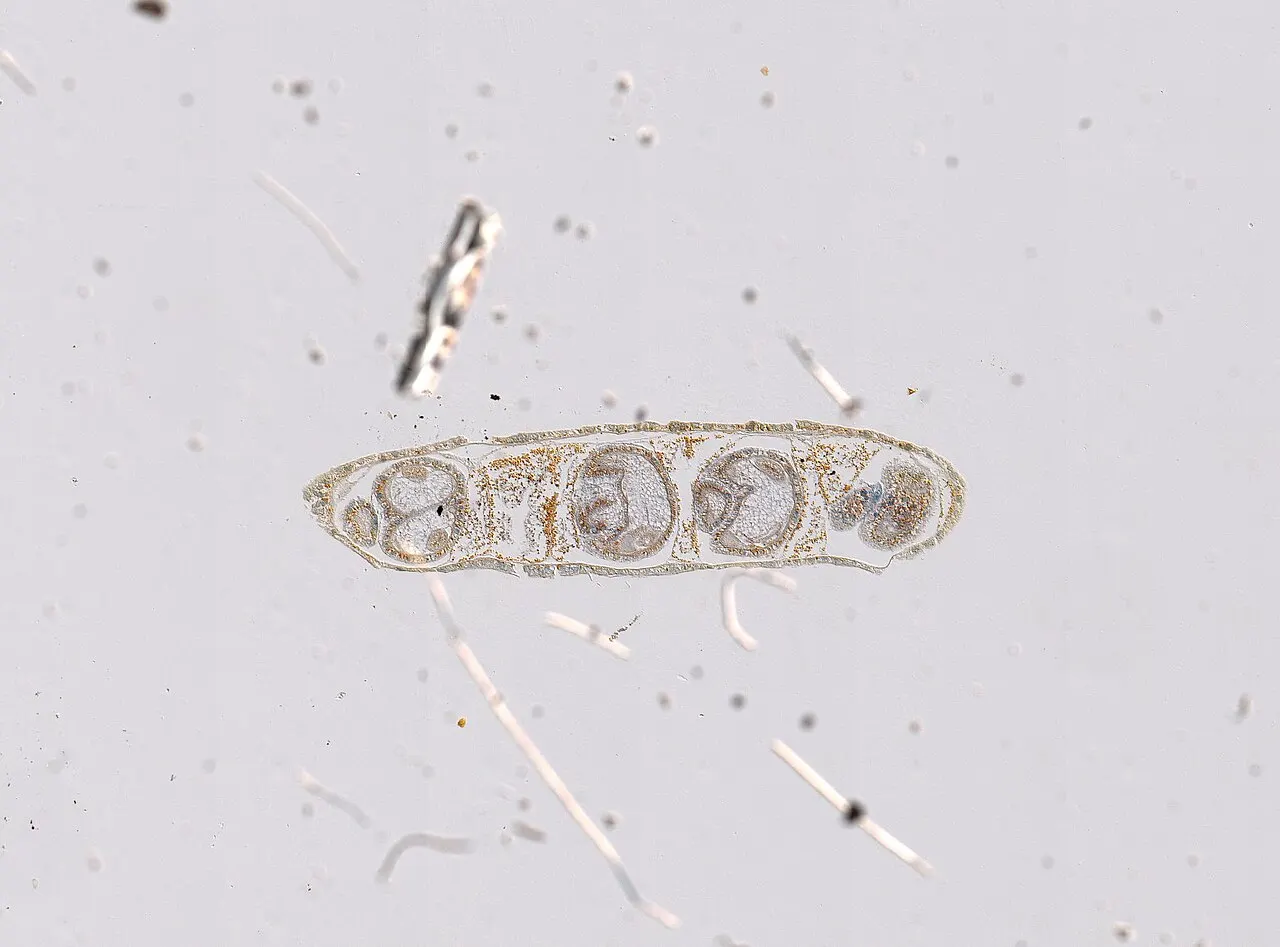
In this catalog, Hoplonemertea stands for hoplonemertean ribbon worms. We list 1 ribbon worms that the IUCN Red List records as threatened enough to be Critically Endangered, Endangered or Extinct in the Wild: 1 Critically Endangered.
This is the only member of the group in the catalog, so the whole shelf is one record.
A class is a filing shelf, not a measure of risk: it says nothing about how fast any one species is declining. Status and assessment years come from the IUCN Red List (version 2026-1); how to read an IUCN assessment explains what the categories and criteria mean, and each record links to its own assessment.
Hoplonemertea are the "armed" ribbon worms. Ribbon worms (phylum Nemertea) are soft, unsegmented hunters that shoot out a long muscular proboscis to catch prey. In the armed group the proboscis carries a calcareous barb called a stylet, with spares kept in small sacs beside it, and the worm uses it to stab prey repeatedly and inject toxins and digestive secretions.
One reference puts the phylum at about 1,300 known species, with roughly 650 of them in Hoplonemertea. Most ribbon worms live in the sea, in sediment, under stones or among seaweed holdfasts. The phylum also includes about a dozen freshwater species, mainly in the tropics and subtropics, and about a dozen land species in cool, damp places such as under rotting logs.
What they do in nature
Most ribbon worms are predators. They eat ringed worms, clams and crustaceans, and a few scavenge. Skin toxins protect many of them from being eaten in turn, though bottom-feeding fish, some seabirds, horseshoe crabs and other ribbon worms do prey on them.
Sizes vary enormously across the phylum, from a few millimetres to more than a metre, though most are under 20 cm.
Why these animals are hard to protect
Ribbon worms are small, soft and easily overlooked, so a species can be described long ago and then go unrecorded for decades. That makes it difficult to say whether it is rare, hidden or gone.
The one species in the catalog's list shows the problem. Prosadenoporus agricola was described from Bermuda in 1874. It has been found in the drier edges of mangrove swamps and in moist soil under stones and logs. It has not been recorded since 1966 and is treated as possibly extinct. It may occur at only a single location, and housing, commercial and tourism development are named as the main threats.
What the catalog lists
The catalog holds one record from this group, a Critically Endangered species in the order Monostilifera and the family Prosorhochmidae. That says very little about the whole group. The catalog only holds animals the IUCN Red List has assessed, and most ribbon worms have never been assessed at all. A short list here reflects how little is known, not how safe these worms are.
Sources for this section
- Nemertea (ribbon worms): Phylum size (about 1,300 species), Hoplonemertea about 650 species, stylet, about a dozen freshwater and a dozen land species, habitats, diet, predators, size range
- WoRMS Nemertea: Phylum is accepted and occurs in marine, brackish, freshwater and terrestrial environments; Hoplonemertea is a listed class
- Prosadenoporus agricola: Bermuda habitat, described 1874, not recorded since 1966, possibly extinct, possibly one location, development threats
Status breakdown
1 records: Critically Endangered 1.
All species
Monostilifera (1)
The A to Z index lists the species with a full account; the catalog search finds any record by name.
Quick answers
- How many ribbon worms are in this catalog?
- 1, listed by the IUCN Red List as 1 Critically Endangered.
- What is Hoplonemertea?
- Here, Hoplonemertea means hoplonemertean ribbon worms. It is a taxonomic class used to group the catalog.
- Where do the statuses come from?
- From the IUCN Red List (version 2026-1), with a link to each species' assessment on iucnredlist.org.